


BMW vs. Mercedes-Benz Comparison
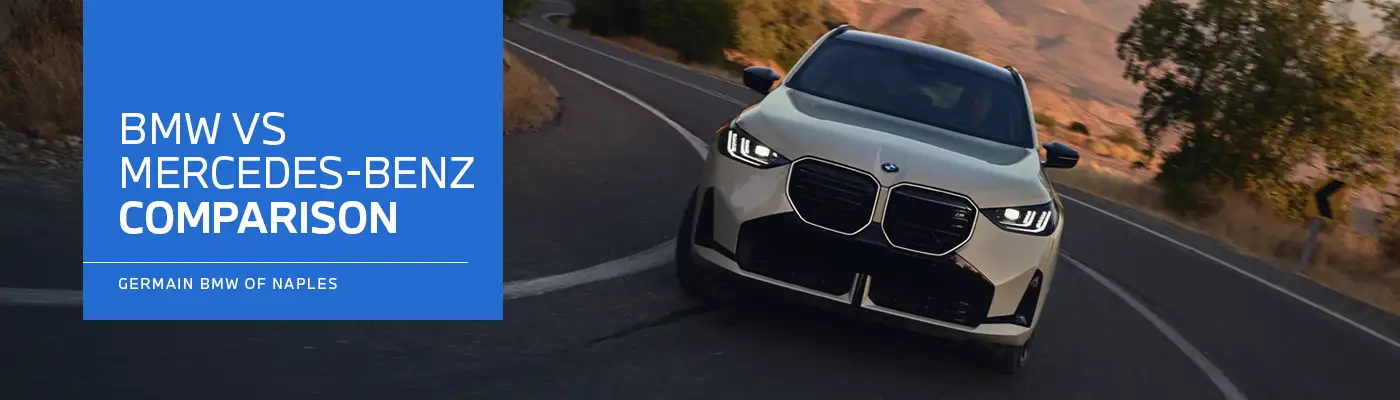
For decades, two names have stood above all others when it comes to finely-engineered performance and luxury: BMW and Mercedes-Benz. The long-time German rivals have developed a culture of innovation that’s persisted across generations, which has translated to record-breaking results both on the track and on the interstate. There’s little doubt that any true automotive enthusiast would be lucky to own a vehicle from either manufacturer.
At Germain BMW of Naples, however, we certainly feel like BMW carries the edge in this classic matchup; read on to learn why. And, when you’re ready, contact us to learn more about why drivers in Southwest Florida and beyond have fallen in love with the world’s premier luxury brand.
Small SUV Dominance
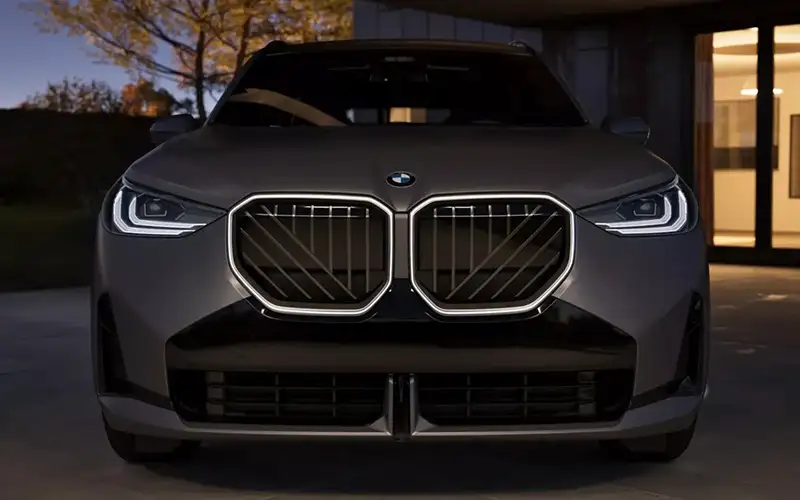
There’s no two ways about it, premium crossovers and small luxury SUVs are among the most popular vehicles on the road today, and it’s a category that BMW owns against all challengers, thanks to the X3 and X4. Edmunds calls the X3 “the rare luxury vehicle that looks, feels and drives like it should cost more than it does,” and it lives up to that promise by besting its closest Mercedes-Benz competitor, the GLC, in several key areas. For one, it has standard all-wheel drive, versus the standard rear-wheel drive of its rival. The X3 also reigns supreme in areas like fuel mileage, cargo space, and in-cabin tech.
The BMW X4 offers the same benefits as the X3, but with a sportier, sloping roofline. If something a little larger is required, the best-selling X5 — the primary BMW mid-size entry — is standing by.
Performance
Though its offerings have long been known as the “Ultimate Driving Machine,” BMW has hardly been content to rest on its reputation, and continues to push the envelope in terms of what’s possible on four wheels.
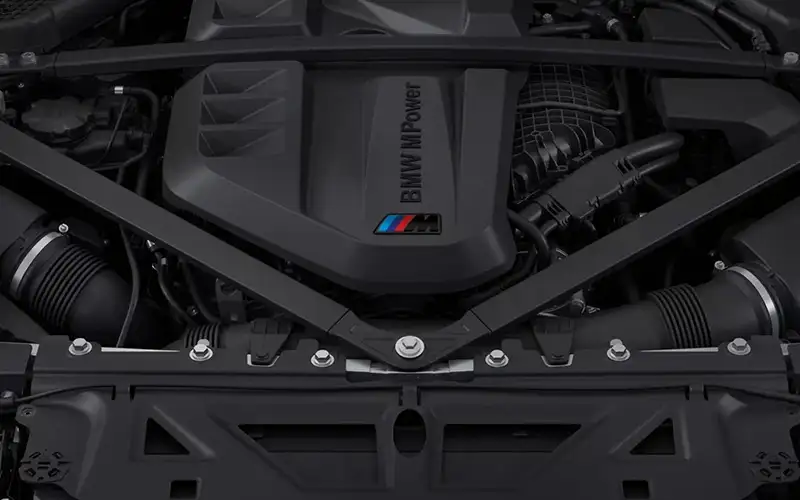
The best of the brand’s performance capabilities can be found in its M vehicles. Dubbed “the most powerful letter in the world,” BMW M offers a comprehensive lineup mirroring its conventional models, but with a difference you’ll feel as soon as you press the accelerator. As one example, M3 Sedans include a 3.0-liter V6 engine that can produce anywhere from 473 horsepower, up to 523 (in its Competition xDrive form). That means you’ll hit 60 miles per hour in four seconds or less, enough to give even seasoned drivers goosebumps.
The Mercedes-Benz C-Class is the rough equivalent of the BMW 3-Series, though it falls short even in standard configurations.
Safety
Both BMW and Mercedes-Benz have impressive safety offerings, with the latter’s headlining suites called Mercedes-Benz PRE-SAFE® and Intelligent Drive. Using an array of sensors around the vehicle, PRE-SAFE detects the swerving or skidding that typically precedes an accident, and reacts by tightening seatbelts, closing windows, and adjusting head restraints. Intelligent Drive includes things like adaptive cruise control and lane-keeping assist.
BMW, however, takes things to another level by prioritizing driver engagement and proactive features that help avoid the need for collision mitigation. Its suite is led by Highway Assistant, which includes Active Lane Change, as well as by Distance Control and Steering Assistant, all of which leave the driver in charge while offering an important layer of safety. One important BMW feature is Drive Recorder, which automatically documents collisions — a potentially invaluable tool down the road, but about the last thing in your mind at the moment of an accident.

Reliability
You can buy the most luxurious and highest-performing ride available, including all of the best available technology — but what good is it if it can’t stay on the road consistently? The issue is magnified by the nature of modern vehicles and their increasing reliance on software, as spotty infotainment systems and update issues have taken their place alongside traditional mechanical problems to frustrate many drivers.
JD Power attempts to account for that unpredictable variable through its annual U.S. Vehicle Dependability StudySM (VDS). The methodology is simple: using survey data from tens of thousands of vehicle owners after three years of ownership, JD Power calculates a “problems per 100 vehicles” (PP100) number for each model and manufacturer.
Each year, BMW comes out ahead of Mercedes-Benz on this calculation. The most recent study logged 198 PP100 for BMW (beating the industry average of 209), while Mercedes-Benz was towards the bottom of the list with 235 PP100. Make no mistake: BMW gives you a much better chance of avoiding repair costs and completing journeys uninterrupted.
Electrification
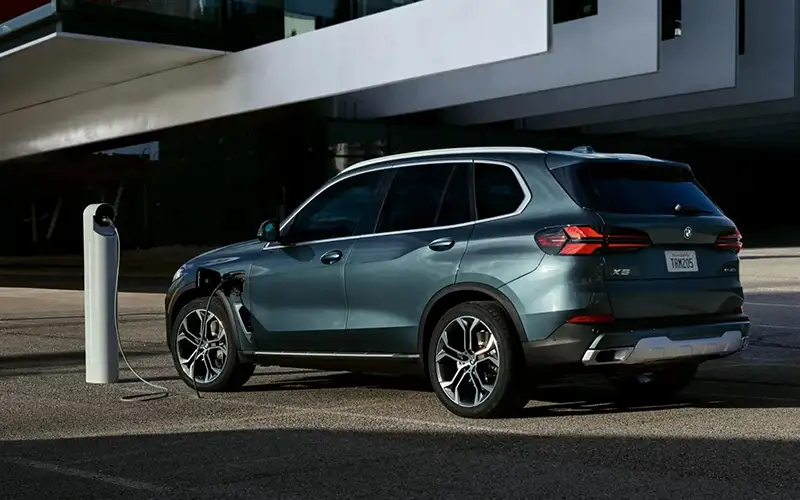
A pioneer in electric vehicle technology, the present BMW electrified lineup includes four all-electric options (the iX3, i4, i5, and i7), as well as five plug-in hybrids, including a version of the iconic X5. Across the brand, BMW has deployed a strategy of offering most of its best-selling models with an electric powertrain, which has paid off immensely, as BMW sells nearly three times as many BEVs and PHEVs as Mercedes-Benz.
It’s hardly a case of numbers unsubstantiated by results, though. BMW has translated its experience with electrification into vehicles that, generally, have faster charging times, longer mileage ranges, and superior performance to their Mercedes-Benz equivalents. One example is the iX3, which offers 400 miles of range, compared to the 377 of the Mercedes-Benz GLC, and has earned superior reviews from the likes of Car and Driver.

Warranty Coverage
Nobody expects to ever have an issue with a German-engineered luxury vehicle, but it is nice to know that if something were to happen, both BMW and Mercedes-Benz offer warranties that will make repairs seamless, with a minimum of downtime.
Whichever brand you purchase, you’ll be covered by a factory warranty that lasts for up to four years or 50,000 miles on any new vehicle. Likewise, both manufacturers’ certified pre-owned programs offer an additional one year of warranty coverage, with unlimited mileage. So, either way, you’ll enjoy the peace of mind that comes with knowing that any necessary repairs will be covered, along with roadside assistance.
What separates BMW, in this case, is the fact that every new vehicle comes with BMW Ultimate Care, which covers all factory-recommended maintenance for up to three years or 36,000 miles, including things like oil and filter changes, brake fluid service, and spark plug replacement. Mercedes-Benz does not offer a comparable maintenance program.