


2027 BMW vs. Audi: Which Luxury Brand Is Better?
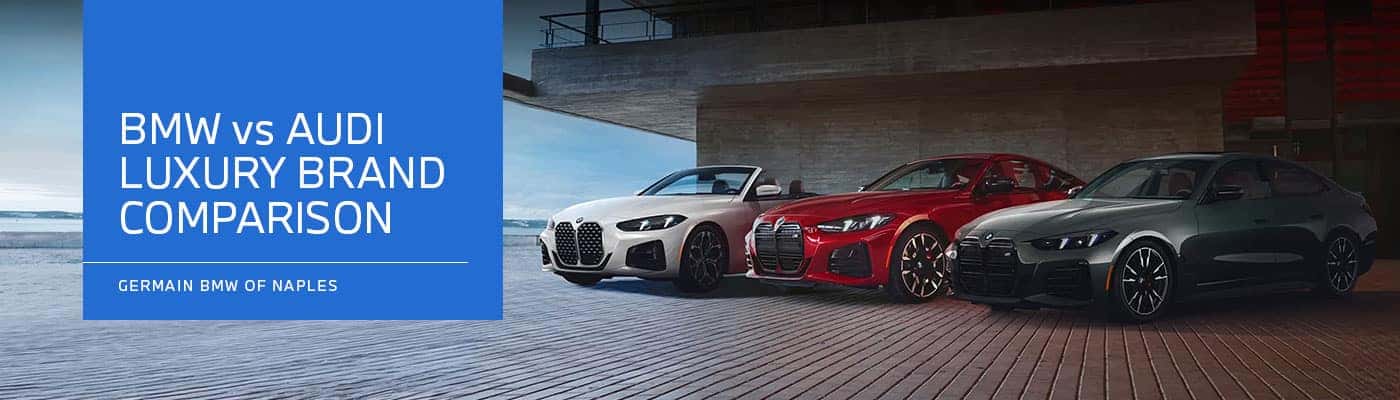
Superficially, many people might throw BMW and Audi in the same bucket as brands. After all, they’re both luxury German manufacturers known for elite performance, cutting-edge technology, and the sort of road confidence earned through decades of development. However, there actually is a surprising amount of difference between the two, and any discerning shopper would be wise to research that gap before committing in either direction.
Even if one might be a better fit than the other for certain drivers, there’s really no wrong answer when trying to choose between brands like BMW and Audi, so let’s take a closer look at what distinguishes them. If you need more guidance, or are convinced that a BMW should be your next vehicle, reach out to the experts at Germain BMW of Naples to get rolling.
Performance.
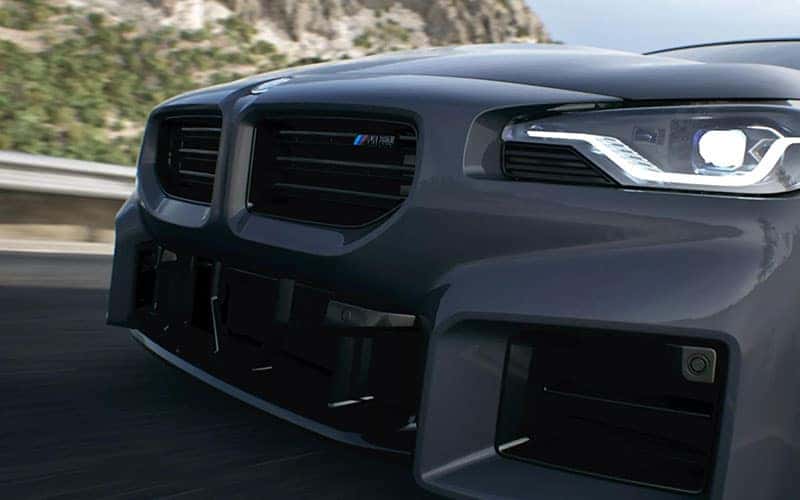
Top-end BMW performance can be found in its M vehicles, which the manufacturer calls “the most powerful letter in the world.” That’s not really an exaggeration, as the BMW M range — which broadly mirrors its standard lineup — includes some of the best performance capabilities available to consumers, forged through five decades of race experience. From a pure enthusiast standpoint, it’s impossible to beat the 2027 M2 M xDrive Coupe, an M version of the BMW 2-Series. Thanks to a 3.0-liter BMW M TwinPower Turbo inline 6-cylinder engine and M xDrive all-wheel drive, it accelerates to 60 miles per hour in just 3.6 seconds, thanks to 473 horsepower.
On the Audi side of things, its high-performance vehicles carry the S (“Sport”) or RS (“Racing Sport”) designations. The 2027 RS 3 is perhaps the brand’s top performance entrant, and it matches the M2’s 3.6-second 0-60 time. It does so with a little less power though, producing 394 horsepower and 369 lb-ft of torque.
Driving Experience.
Comparing BMW and Audi in terms of driving experience can be a little tricky, because the brands aren’t necessarily oriented towards identical goals.
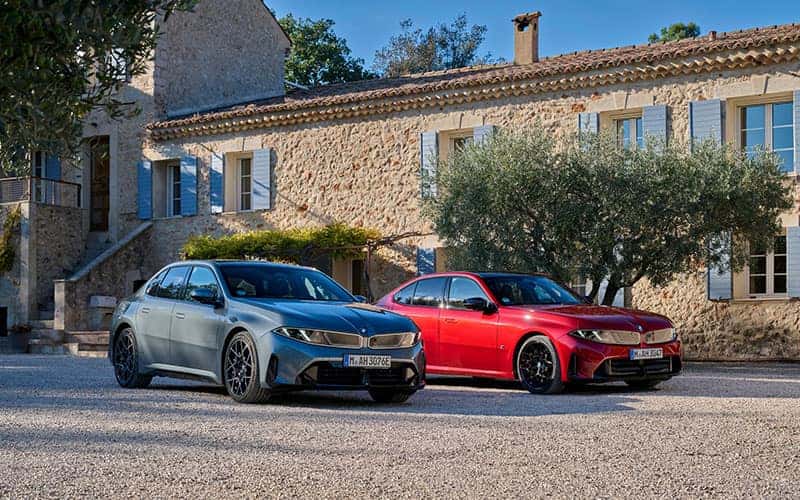
Long billed as the “Ultimate Driving Machine,” the BMW approach focuses on driving dynamics, handling, and ergonomics inspired by the track. Many models are rear-wheel drive options, though xDrive all-wheel drive is readily available if preferred. Either way, the BMW approach is exemplified by the instant-classic 2027 3-Series, with its clean lines and striking silhouette introducing a four-cylinder turbo engine that fires out 255 horsepower (the M variant’s powertrain cranks that number up to 437 with a 0-60 time of 3.9 seconds, incredible figures for a vehicle of its nature). Whichever model you choose, however, you’re assured of a responsive and fun drive.
Audi, meanwhile, targets refined comfort and smooth composure as its primary objectives. A big part of that is its famed quattro all-wheel drive system, which makes Audi’s sure-footed in the snow and other inclement weather. The Audi A3 boasts a streamlined design and is driven by a standard four-cylinder, 201-horsepower engine.
Technology.
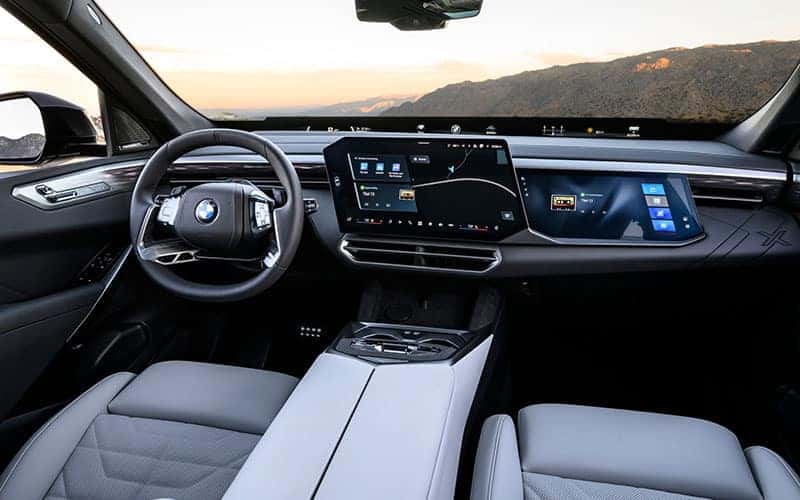
As in other areas, there’s a surprising gap in how BMW and Audi treat technology. The BMW tech features are highlighted by the stunning, driver-focused BMW Panoramic iDrive display powered by BMW Operating System X and cloud-based technology, which includes road data and preferred content at a glance, and in a position optimized for minimal head movement. On the redesigned 2027 X5 and other vehicles, that information and data center is supplemented by a standard 17.9-inch touchscreen, with a 14.6-inch passenger touchscreen available as well. Between those screens and a standard head-up display, nothing is excluded, whether entertainment or productivity is your goal.
Audi has a reputation for being a bit more restrained in its approach, though in a representative vehicle like the 2027 Q5, an 11.9-inch digital gauge cluster and a complementary 14.5-inch infotainment screen are standard, while a 10.9-inch passenger display is available. It’s not quite as much screen area as the comparable BMW, but it’s plenty to do the job.
Luxury.
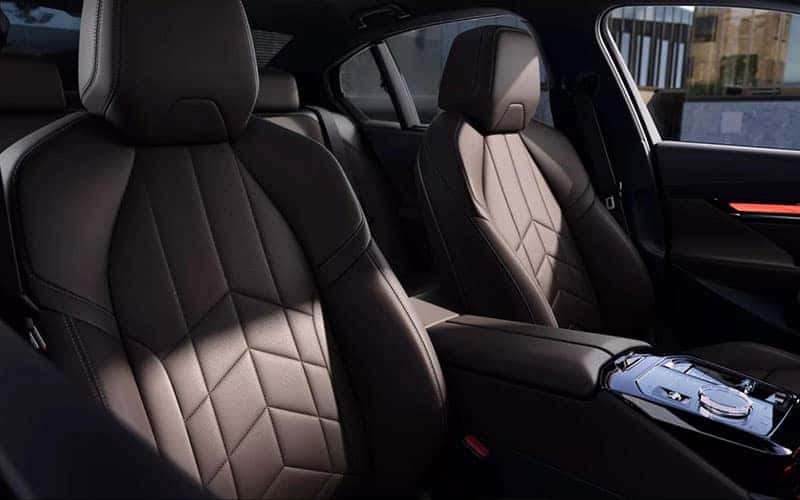
The high-tech approach taken by BMW blends into its luxury considerations, with plenty of available smartphone-based functionality, like remote parking capabilities and digital key features. The available Bowers & Wilkins® Surround Sound System offers magnificent sound quality to enhance any drive as well. However, the brand also shines in a more traditional sense. That includes seating materials, as in vehicles like the 2027 5-Series sedan, which range from Veganza synthetic leather to available Merino leather, as well as open-pore and high-gloss wood accenting options. An available Luxury Seating Package can elevate things even further, with memory functions, heating, and ventilation.
The Audi A6 takes its cues from the brand’s minimalist approach, which emphasizes a clean, uncluttered look. One highlight is that it introduces genuine leather as standard with a Nappa leather upgrade available. A Bang & Olufsen® Premium Sound System with 3D sound and headrest speakers is at the top of the A6’s audio availability hierarchy.
SUV and Sedan Lineups.
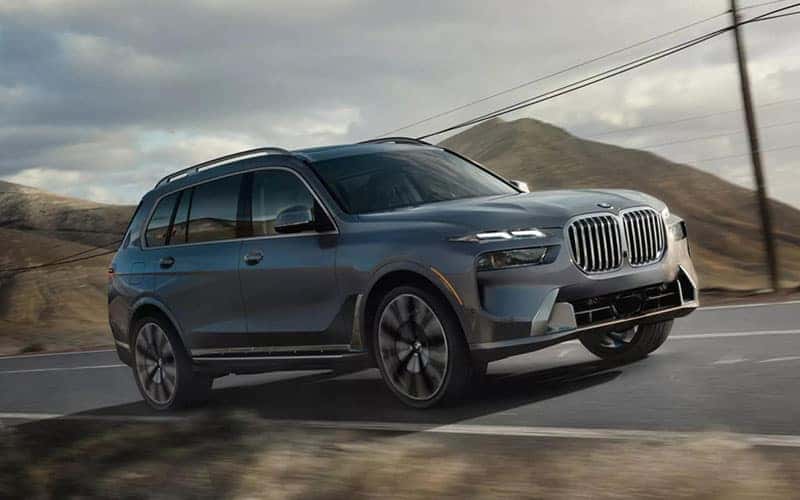
The BMW vehicle lineup has something for everyone, whether that’s an iconic 3-Series sports car or the flagship, three-row X7. In the intuitive BMW nomenclature, models with an X prefix are SUVs, gradually increasing in size as the number goes up (with even numbers including a sportier roofline). Coupes, sports cars and wagons, meanwhile, receive the “Series” designation, ranging from 2-Series coupe to the 7-Series full-size luxury sedan. M models, of course, are performance-forward, while electric vehicles begin with a lowercase i. Both M and i broadly match the SUV and sedan ranges.
Perhaps it’s German efficiency at work, but Audi takes a similar approach to its model names, with Q models representing SUVs and crossovers, and the A series including compacts and sedans. Performance variants are preceded by an S or an RS, while e-tron® is the Audi EV designation. Though it’s not quite as diverse as the BMW lineup when taken as a whole, it still capably enters just about every category.

Ownership Considerations.
Ultimately, regardless of the fact that BMW and Audi both offer extremely impressive vehicles, despite their divergent approaches, there’s perhaps no better way to evaluate them than as an owner. To that end, JD Power conducts an annual U.S. Vehicle Dependability StudySM (VDS) which uses survey data from tens of thousands of vehicle owners after three years of ownership. JD Power then tabulates a “problems per 100 vehicles” (PP100) figure for each manufacturer*. Each year, BMW outpaces Audi in this study, including a count of 198 PP100 in the most recent study, besting the industry average of 209. Audi, meanwhile, was near the bottom of the list, with 235 PP100.
The JD Power data is corroborated by Consumer Reports**, which ranks the best car brands each year. In the most recent rating, BMW placed a close second overall, making it the top European and top luxury brand, as CR was particularly impressed with its reliability and owner satisfaction. Audi, meanwhile, rated 16th, right in the middle of the 31 manufacturers evaluated.
*Source: J.D. Power Vehicle Dependability Study (2026) – https://www.jdpower.com/business/press-releases/2026-us-vehicle-dependability-study-vds/
**Source: 2026 Consumer Reports – https://www.consumerreports.org/cars/cars-driving/which-brands-make-the-best-cars-a6159221985/